Reconstructing Cleft Anomalies With Staged Care, Speech Safety, & Growth Harmony.
Staged surgical management of cleft lip and palate in Kolkata & Siliguri. Providing primary muscle reconstructions, pediatric alveolar bone grafting, and secondary speech-valve repairs following international safety rules.
Pediatric surgical milestones matching established craniofacial safety standards.
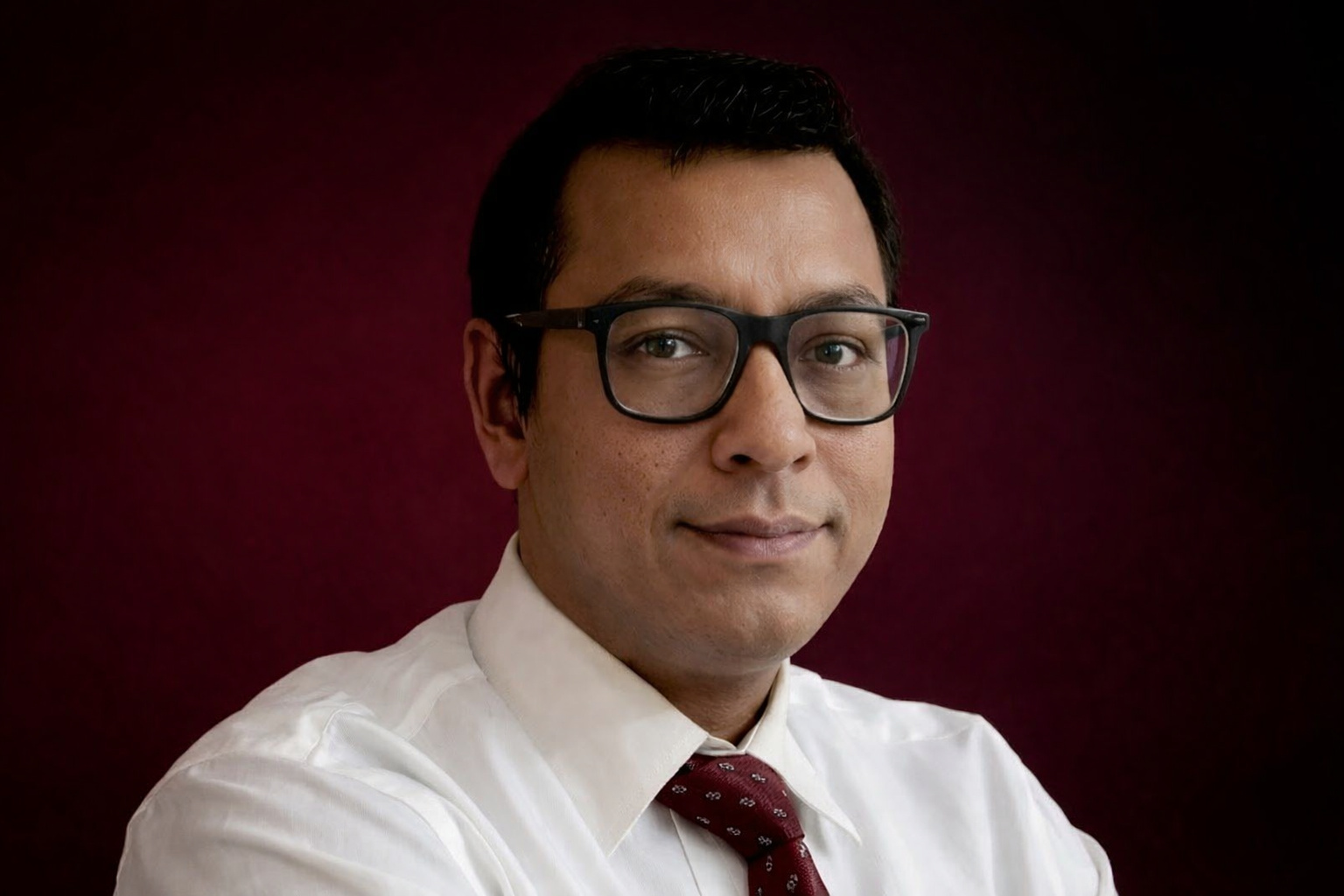
- MDS (Oral & Maxillofacial Surgery)
- IFAAM (Germany)
Staged Cleft Reconstruction • 22+ Years Experience
Clinical Timeline & Safety Parameters
Reconstruction is planned in stages corresponding with the child's natural facial growth landmarks.
Rule of Tens
Lip surgery requires 10 weeks of age, 10 lbs weight, and 10g hemoglobin.
Speech Focus
Reconstructing the levator palate muscle to ensure normal speech sounds.
Alveolar Grafting
Bone grafting the cleft ridge at ages 8-11 to support tooth eruption.
Continuous Care
Monitoring growth from neonatal feeding plates to skeletal maturity.
Staged Cleft & Craniofacial Rehabilitation
Cleft lip and palate are congenital structural anomalies that affect feeding, speech, facial growth, and social adjustment. Reconstructive management is not a single surgery but a carefully timed lifecycle of interventions. Operating at incorrect developmental ages can restrict jaw growth or fail to resolve speech complications.
1. Primary Lip & Palate Repairs (Infancy)
Cleft Lip Repair (Cheiloplasty) is performed around 3-6 months. We utilize anatomical muscle restoration (rejoining the orbicularis oris muscle rings) to build lip movement. Cleft Palate Repair (Palatoplasty) is executed around 9-12 months, before the child begins speaking. Reconstructing the soft palate muscles prevents nasal air leakage and liquid regurgitation.
2. Alveolar Bone Grafting (Mixed Dentition)
Between 8 and 11 years of age, before the permanent canine (eye tooth) erupts next to the cleft line, an **Alveolar Bone Graft** is required. Dr. Saha harvests a small bone graft (usually from the patient's hip crest) and places it into the jaw cleft. This fills the bony gap, providing bone support for tooth eruption and stabilizing the upper dental arch.
3. Secondary Corrections & Cleft Rhinoplasty
As the cleft child grows, additional procedures may be necessary. If speech remains hypernasal, a secondary pharyngoplasty helps resolve Velopharyngeal Insufficiency (VPI). Once facial skeletal growth is complete in adulthood, a **cleft rhinoplasty** is executed to correct the characteristic nasal base tilt and septal deviation.
Cleft Care & Craniofacial Registry
Clinical timelines, developmental milestones, and advanced surgical procedures for pediatric craniofacial conditions.
Unilateral Cleft Lip Repair Surgery
Premium unilateral cleft lip repair in infants by cleft surgeon Dr. Saikat Saha. Re-establishing lip symmetry and nasal cartilage base.
Bilateral Cleft Lip Surgical Reconstruction
Specialized bilateral cleft lip surgery in Kolkata. Advanced reconstruction of the premaxilla, prolabium, and nasal tip.
Cleft Palate Repair & Functional Reconstruction
Functional cleft palate repair in Kolkata. Restore infant speech, prevent ear infections, and reconstruct the levator muscle sling.
Alveolar Cleft Bone Grafting Surgery
Alveolar cleft bone grafting in Kolkata. Harvesting hip bone grafts to support canine eruption and stabilize the dental arch.
Craniosynostosis & Cranial Vault Reconstruction
Get advanced craniosynostosis surgery and cranial vault remodeling in Kolkata. Correct sagittal/coronal fused sutures.
Hemifacial Microsomia & Jaw Distraction Osteogenesis
Correct asymmetric face development with jaw distraction osteogenesis in Kolkata. Dr. Saikat Saha lengthens short jaws gradually.
Secondary Cleft Rhinoplasty Specialist
Revision nose surgery for cleft nasal deformities in Kolkata. Correct alar cartilage droop, septal deviation, and nostril symmetry.
Hypertelorism & Craniofacial Syndrome Reconstruction
Advanced reconstruction for Crouzon, Apert, and Treacher Collins syndromes in Kolkata. Midface advancement and orbital translocation surgery.
Cleft Growth Milestone & Lifecycle Timeline Tracker
Evaluate your child's cleft repair progress, check safety margins for primary lip/palate repairs, or confirm bone graft windows using our 60-second assessment.
Evaluate staged pediatric milestones.
Pediatric answers are strictly confidential.
Calibrated for Rule of Tens and alveolar graft windows.
Question Text
Timeline parameters are stable
Your child's cleft indicators align with standard growth progression. Monitor speech and dental development.
Cleft Surgery Q&A
Scientific explanations covering cleft repairs, bone grafting, and speech valves.